A permitted burn that escapes is still your liability. The physical setup of your burn — distance from structures, pile size, wind conditions, water supply — is as important as the permit itself. Here's the complete protocol.
Required Setback Distances
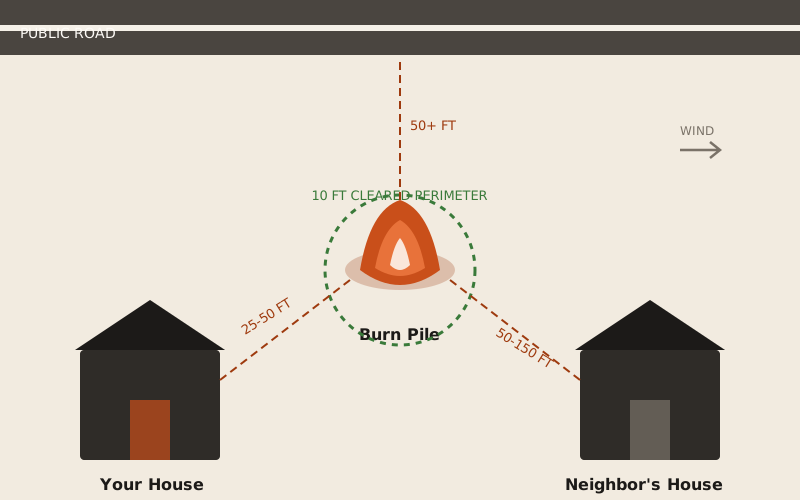
Typical setback distances for a residential burn pile. Exact distances vary by state — see your state's permit page for specifics.
Setback requirements vary by state, but these ranges reflect common requirements across most state rules:
Proximity Concern
Typical Minimum Distance
Notes
Neighbor's occupied structure
50–300 feet
State rules vary widely. Georgia: no specific minimum for yard debris. NC land-clearing: 500 feet.
Your own structure (house, garage, shed)
25–50 feet
Local fire codes typically require 25–50 feet.
Property line / fence
10–25 feet
Check local ordinances.
Public road
50–250 feet (when wind blows toward road)
Most critical for smoke visibility and traffic hazard.
Overhead power lines
25+ feet
Heat and embers can damage lines. Contact utility for clearance guidance.
Dry vegetation / combustible ground cover
10 feet cleared perimeter
Mow or rake a cleared buffer around all sides of the pile.
Pile Size Guidelines
Most states don't set specific pile size limits for residential yard burns, but practical fire safety and common state guidance suggest:
Maximum pile size for one person to manage: 8–10 feet diameter at base, 4–5 feet high
California residential permit: Explicitly limited to 4 feet × 4 feet at the base
For larger volumes: Build multiple smaller piles and burn them on separate days rather than one large pile you can't control
Avoid green wood in large piles: Green wood produces excessive smoke and burns incompletely, generating more particulates and requiring longer fire watch
When NOT to Burn
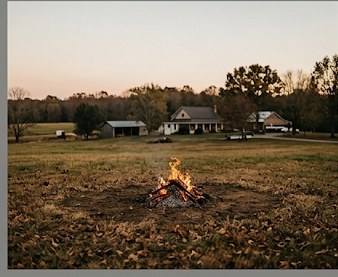
A properly sited burn: small pile, generous distance from structures, attended at all times.
— Weather Conditions
Do not start a burn under any of these conditions:
Wind speed above 15 mph (most states prohibit burning above this threshold)
No water source immediately available at the burn site
Wind direction blowing toward structures, roads, or neighbors
You cannot monitor the fire continuously until fully extinguished
Required Water Supply
Every state's burn safety guidance requires having a water supply at the burn site. What this means in practice:
Charged garden hose that can reach the entire burn pile — the most reliable option
Alternatively: a filled 5-gallon bucket plus a shovel for soil smothering (minimum for very small burns)
Know your nearest outdoor spigot before lighting — don't discover it's locked or broken when you need it
During drought conditions: consider two independent water sources
The Fire Watch Protocol
Never leave while fire or embers are visible. State rules universally require someone to be present continuously. "Stepping inside for a minute" has caused hundreds of wildfire escapes.
When wind shifts, assess immediately. A wind shift that pushes fire toward structures or dry vegetation requires immediate action — extinguish or suppress the affected edge before it becomes unmanageable.
To extinguish: Spread the pile, wet down thoroughly with water, turn the ash over, wet again, and feel for heat with the back of your hand (not fingertips).
Check the next morning. Stumps and large root systems can hold heat for 24+ hours and rekindle. Return to the burn site the morning after and check for smoking or heat.
After large burns (storm debris, slash): Do a 48-hour follow-up check. Underground root systems in stump areas can smolder for days.
Safe Ignition Methods
How you start the fire matters both legally and practically:
Matches or lighter: Always acceptable
Kerosene or diesel as starter: Permitted in most states as a burn accelerant for debris piles — use sparingly and only when pile is assembled
Gasoline: Prohibited as a fire accelerant in virtually every jurisdiction — explosive flash hazard
Propane torch: Acceptable for ignition of a properly assembled pile
Never use: Gasoline, lighter fluid (for large burns), or any petroleum product that could cause a flash explosion
Frequently Asked Questions
Most local fire codes require 25–50 feet from your own structures for a residential burn pile. For neighbor's occupied structures, some states require 50–300 feet. California residential permits require 4×4 foot maximum pile size. North Carolina land-clearing burns require 500 feet from any occupied structure. Always check your specific state and local rules.
Most state rules prohibit burning when wind speed exceeds 15 mph. Some states use 10 mph as the threshold in high-risk areas. Practically: if smoke is blowing horizontally or you can feel strong wind on your face, don't burn. Wait for calmer conditions.
Spread the pile apart, wet thoroughly with a garden hose, use a shovel to mix water and ash together, wet again, and feel with the back of your hand (not fingertips) for any remaining heat. The pile should feel cool throughout, not just on the surface. For large stumps and root systems, plan a 24–48 hour follow-up check.
Disclaimer: Rules vary by state and locality. Always verify requirements with your state forestry agency before burning.